Wildlife: What It Means, Why It’s in Trouble, and How Ordinary People Actually Help
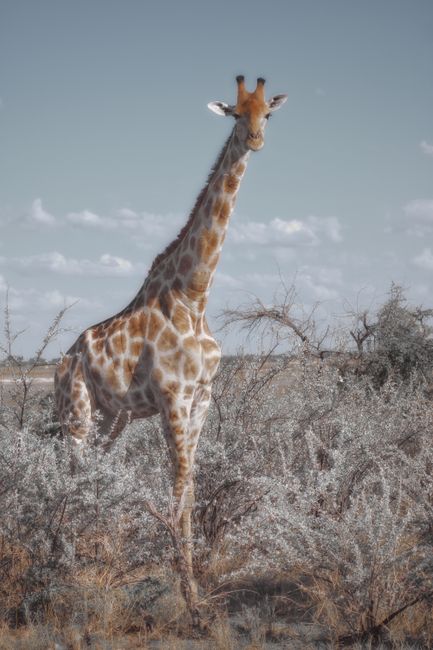
Ask most people to picture wildlife and they will describe something large and far away: a tiger moving through tall grass, an elephant crossing a road at dusk. The working definition is much wider than that, and the difference matters more than it sounds.
Wildlife: What the Word Actually Covers
Wildlife means any organism living outside human domestication or cultivation. That includes undomesticated animals, but also uncultivated plants, the fungi threading through soil, the lichen on a garden wall, and the beetles in a hedgerow. A fox trotting across a housing estate at 3am is wildlife. So is the moss on your roof tiles and the swift nesting under your eaves.
That breadth changes who gets to help. If wildlife existed only inside distant national parks, conservation would be a spectator sport funded from a comfortable distance. Because wildlife is also the pollinators in a supermarket car park verge and the newts in a drainage ditch, protecting it becomes something that can happen on your street, within your budget, in a single afternoon.
Why Wildlife Conservation Became Urgent
The pressures are well documented, and they compound rather than queue politely. Habitat loss removes the space animals need to feed and breed. Fragmentation then carves whatever survives into patches too small and too isolated to sustain a viable population — a wood cut in half by a road is not two smaller woods, it is a broken one. Shifting climate pulls seasons out of alignment, so chicks hatch after the caterpillar flush they depend on has already passed. Invasive species arrive faster than native ones can adapt. Illegal trade targets specific animals with surgical efficiency, and the exotic pet market keeps inventing new demand.
What gets said far less often is that recovery works when it is genuinely attempted. Beavers have been reintroduced to river catchments where they now reduce downstream flooding for free. Raptors written off as locally extinct are breeding again after decades of patient reintroduction. Cleaned-up rivers have brought back fish, then otters, in roughly that order. Wildlife conservation is not a holding action against inevitable loss. It is a set of interventions with a measurable track record — which is precisely why funding it is not sentimental.
Wildlife Park, Wildlife Reserve, Wildlife Sanctuary: Not the Same Thing
These three terms are used interchangeably in casual conversation and they describe genuinely different institutions. Knowing which is which will change where you spend your money.
- A wildlife park houses animals in managed enclosures for public visits, education and coordinated breeding programmes. Cotswold Wildlife Park in England and Tanganyika Wildlife Park in Kansas both sit in this category. The good ones plough gate receipts into field conservation and studbook breeding for species with collapsing wild numbers; the weak ones are essentially menageries with a gift shop. The difference is visible in what they publish about their conservation spending.
- A wildlife reserve puts habitat first — the land itself is the protected asset, and the species living there are protected as a consequence. Mandai Wildlife Reserve in Singapore is an interesting hybrid, wrapping several visitor attractions around research, rescue and regional conservation work in one forested precinct.
- A wildlife sanctuary exists for the individual animals already inside it: rescued, injured, confiscated, retired, or simply unreleasable. Success at a sanctuary is not a growing collection. It is animals leaving — rehabilitated and returned to the wild — or living out a decent life when release is impossible.
If you want to fund habitat, give to a reserve or a land trust. If you want to fund care for animals already harmed, give to a sanctuary or a rescue. Both are worth doing. They are not substitutes for one another.
Wildlife Rescue: The Unglamorous Frontline
Wildlife rescue is mostly small, repetitive and unphotogenic. It is a fledgling in a shoebox, a hedgehog too underweight to hibernate, a swan tangled in fishing line, a barn owl clipped by a van on a dual carriageway. Volunteers drive at unreasonable hours, feed animals every two hours through the night, and accept that a meaningful share of their patients will not survive.
The exotic pet trade adds its own steady stream. Serval wildlife cases are a good example: servals are long-legged African cats, bought as status pets by owners who discover far too late that a wild-adapted predator does not settle into a flat. The animals are then surrendered, abandoned or seized — and because they cannot be released into an African savannah they have never seen, sanctuaries absorb them for life. Every such animal represents years of committed food, veterinary and enclosure costs generated by a single impulsive purchase.
This is why rescue organisations ask for recurring donations rather than one-off gifts. A monthly commitment, however small, is what lets a centre staff its night shifts and keep a treatment room stocked before the emergency arrives.
The Quiet Revolution in Wildlife Cameras
Conservation used to run on scarce, expensive human observation. Cheap sensors changed that. A modern wildlife camera left strapped to a tree for six weeks will document species presence, breeding, activity patterns and poaching pressure without a researcher present — and a network of them turns guesswork into data. Acoustic recorders do the same for bats and birdsong, and machine learning now sorts the resulting mountain of footage into something a small team can review.
Wildlife photography plays a related but distinct role. A single strong image does what a spreadsheet cannot: it makes a stranger care. Ethical practice matters here — a wildlife photographer who bait-lures a threatened animal, blocks a nesting site or flushes a bird off eggs for a better angle has extracted a picture at the animal’s expense. The best wildlife photography leaves no trace that a photographer was ever there.
Wildlife Jobs: More Routes In Than People Assume
Wildlife jobs are competitive, and the field-ecologist path is the narrowest door. But conservation organisations also run on GIS analysts, data scientists, fundraisers, teachers, planners, lawyers, veterinary nurses, land managers and communications staff. The skills you already have are probably needed somewhere in the sector.
The realistic route in is almost always through volunteering. Join a local wildlife trust, commit to habitat work parties, help run a reserve survey, become a licensed bird ringer. That produces the two things employers actually screen for: documented field hours and people who can vouch for you.
Six Things You Can Do This Month
- Set up one recurring donation to a wildlife trust, reserve or rescue centre. Predictable income funds staff; windfalls only fund equipment.
- Give up part of your garden. A patch of long grass, a log pile and a shallow water dish support more species than any planted border.
- Record what you see. Submit sightings to a citizen-science platform. Volunteer records underpin a large share of national distribution data.
- Vet before you visit. Check whether a wildlife park publishes its conservation spending and breeding programme involvement.
- Never buy an exotic pet — and discourage the friend who is considering one. Prevention is cheaper than a lifetime of sanctuary care.
- Show up for the boring work. Scrub clearance and litter picks are unglamorous and are exactly what reserves are short of.
Wildlife does not need every person to do something dramatic. It needs a lot of people to do something small and keep doing it.
Frequently Asked Questions
What is the difference between a wildlife park and a wildlife sanctuary?
A wildlife park displays animals in managed enclosures for public education and breeding programmes. A wildlife sanctuary exists primarily to care for animals that have been rescued, injured or surrendered, and prioritises their welfare and eventual release over public viewing.
What should I do if I find an injured wild animal?
Keep your distance, keep it quiet and dark, and call a licensed wildlife rescue or vet before intervening. Do not offer food or water, and do not attempt treatment — well-meant handling causes stress injuries and can be dangerous for you.
Does donating to wildlife conservation actually work?
Yes, where it funds sustained work. Beaver reintroductions, raptor recovery programmes and river restoration have all produced measurable population gains. Recurring gifts help most because they let organisations retain staff and plan multi-year projects.
How do I get a job in wildlife conservation?
Volunteer with a local wildlife trust or reserve to build documented field hours and references, then apply the skills you already have. The sector employs data analysts, fundraisers, educators, planners and land managers alongside field ecologists.
Is wildlife photography harmful to animals?
It can be. Baiting, approaching nests and flushing animals for a better shot all cause real harm. Ethical wildlife photography uses distance, patience and long lenses, and treats the animal’s behaviour as the limit on the shot.
What is the single most effective thing I can do at home for wildlife?
Stop tidying. Leaving long grass, a log pile, a small water source and a gap under the fence turns a sterile garden into usable habitat and costs nothing.
