From Doomscrolling to Doing Good: How Young Brits Are Fixing Their Screen Time
From Doomscrolling to Doing Good: How Young Brits Are Rethinking Social Media
For millions of young people across the UK, typical evenings end the same way: a planned five-minute check of notifications spirals into an hour-long slide through economic crises, housing shortages, and algorithmic conflict. That pattern extracts a heavy psychological toll. While Gen Z and Millennials across Britain report record levels of screen-induced exhaustion, logging off entirely is rarely realistic. Instead, a distinct behavioral shift is taking shape. Rather than settling for passive consumption, young adults are actively reshaping their habits, turning to platforms and networks that replace dread with genuine utility, mutual aid, and tangible collective action.
The Cognitive Cost of Modern Algorithmic Feeds
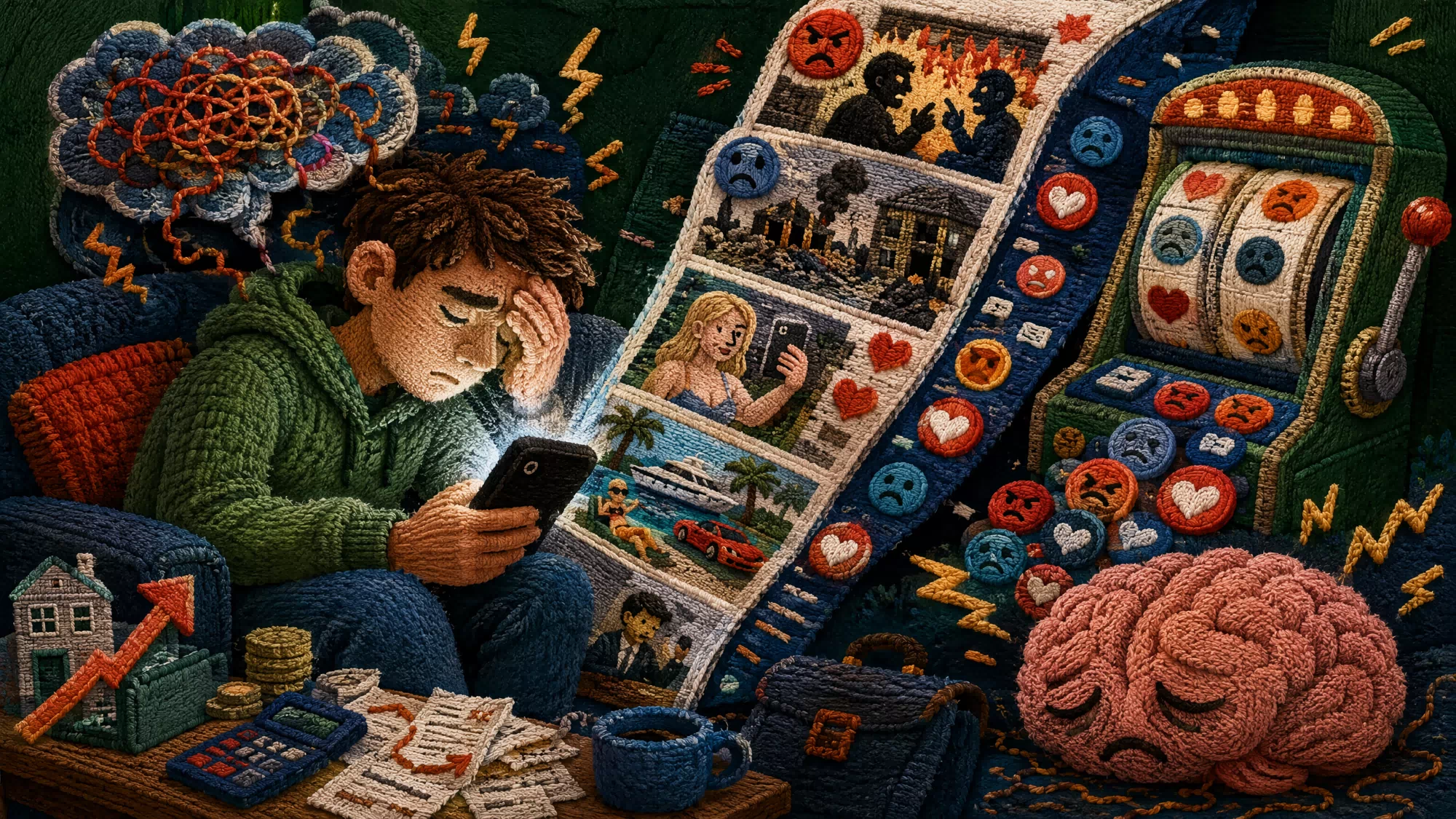
Mainstream social networks run on engagement models that deliberately reward emotional volatility. Their architecture treats attention as an extractive resource, relying on variable reward schedules identical to slot machines to keep fingers moving down the glass.
When feeds deliver an unending mix of conflict and pristine lifestyle displays, the brain interprets that constant stimulation as a form of environmental instability. For young Brits already balancing rising living costs with career uncertainty, this intake intensifies daily pressures rather than offering genuine relief. The cognitive strain of processing hundreds of disparate emotional cues each hour leaves people irritable, unfocused, and profoundly depleted. Understanding why everyday scrolling feels so exhausting requires looking at how these systems were tuned around outrage and comparison.
Outrage Architecture and Compulsive Scrolling
Outrage architecture relies directly on our instinct for threat detection. Algorithms elevate content that triggers indignation because moral outrage generates faster shares, replies, and quote-posts than constructive debate. Pausing over an alarming headline about struggling public services or an inflammatory political argument is enough; the recommendation engine reads that hesitation as interest. Within days, the feed narrows into a relentless stream of worst-case scenarios.
That dynamic quickly turns compulsive. Human brains are wired to track threats to survival and social standing, meaning that stepping away can feel almost like dropping your guard. The thumb keeps flicking upward, searching for a sense of resolution that never arrives. The predictable outcome is chronic hypervigilance. Young users regularly report feeling physically tense, anxious, and unable to settle into deep focus after brief scrolling sessions. By delivering steady micro-doses of adrenaline without a physical outlet, the system keeps people locked in a low-grade fight-or-flight state that wears down the nervous system over time.
Comparison Culture and Digital Burnout
Alongside algorithmic outrage sits the quieter strain of lifestyle comparison. Instagram and TikTok feeds present endlessly curated snapshots of travel, rapid career growth, and domestic perfection. For Gen Z and Millennial Brits managing stagnant wages and a punishing private rental market, these portrayals warp everyday expectations.
The psychological friction comes from constant benchmarking against impossible ideals. A peer purchases a Victorian terrace or an acquaintance spins a hobby into an overnight brand, while your own rent climbs another twelve percent. Even when people understand rationally that feeds display carefully staged highlights, instinctive social comparison still takes over.
This ongoing tension triggers passive consumption burnout. Users put the phone down carrying diminished self-worth, envy, and the persistent feeling of falling behind. While the feed offers the illusion of staying connected, it ultimately swaps genuine reciprocity for a spectator sport. Over time, that dynamic steadily chips away at self-esteem and deepens isolation.
The Cultural Shift Toward Intentional Connection
UK smartphone owners aged 18 to 34 are quietly rethinking where they spend their screen time. Instead of enduring public feeds shaped by outrage and algorithmic incentives, many are migrating into smaller spaces designed for low-friction exchange. Group chats on Signal and WhatsApp, niche forums, and specialized community hubs are steadily absorbing hours once surrendered to open broadcast networks.
This shift reflects a practical reassessment of digital hygiene. Broadcast platforms, where strangers trade hot takes for algorithmic reach, offer little emotional return. Stepping back helps protect cognitive energy, redirecting attention toward environments with clear community expectations, stronger privacy, and minimal performative posting. In stepping away from sprawling algorithmic arenas, young adults preserve their time for common causes, mutual aid, and direct peer conversation.
Boundary Setting and Conscious Consumption Trends
Recent Ofcom data and digital health studies point to practical behavioral shifts among young British users. Rather than passively accepting default feeds, 18-to-30-year-olds are actively pruning their digital spaces. Unfollowing accounts that provoke financial envy, muting provocative political figures, and setting strict thirty-minute daily app limits have become routine habits.
Physical habits increasingly mirror these software controls. A growing contingent of young adults switches display settings to grayscale to dull the dopamine pull of saturated interface colors. Others schedule device downtime starting at nine in the evening or establish phone-free bedrooms to protect sleep quality. When a particular account or discussion thread sparks recurring irritation, users mute or unfollow without hesitation.
These adjustments reflect a pragmatic approach to personal boundaries. Feeds are judged directly by physical response: how does your body feel after twenty minutes of scrolling? If an app leaves your shoulders tense and your thoughts fractured, you restrict its access to your day. Conscious friction replaces frictionless consumption.
Prioritizing Community Utility Over Social Clout
Follower counts and public likes carry noticeably less weight among British Gen Z and Millennials than they did five years ago. Chasing viral reach across open broadcast networks has proven exhausting, offering few tangible benefits to everyday users. In response, attention is steadily moving toward digital spaces organized around real-world utility.
The priority has shifted from individual performance to collective problem-solving. Community channels increasingly center on direct, practical support: circulating alerts about tenant rights, organizing local food distribution, coordinating mutual aid funds, or gathering volunteers for climate restoration projects. People use these spaces to share resources with others facing the same immediate concerns, bypassing personal branding entirely.
A platform is now judged primarily by its external output. Connecting with thirty neighbors to weatherize a community hall or raise emergency funds for a local food bank provides a grounded sense of relief that vanity metrics cannot match. Real utility lies in measurable neighborhood action.
Replacing Passive Scrolling with Purposeful Participation
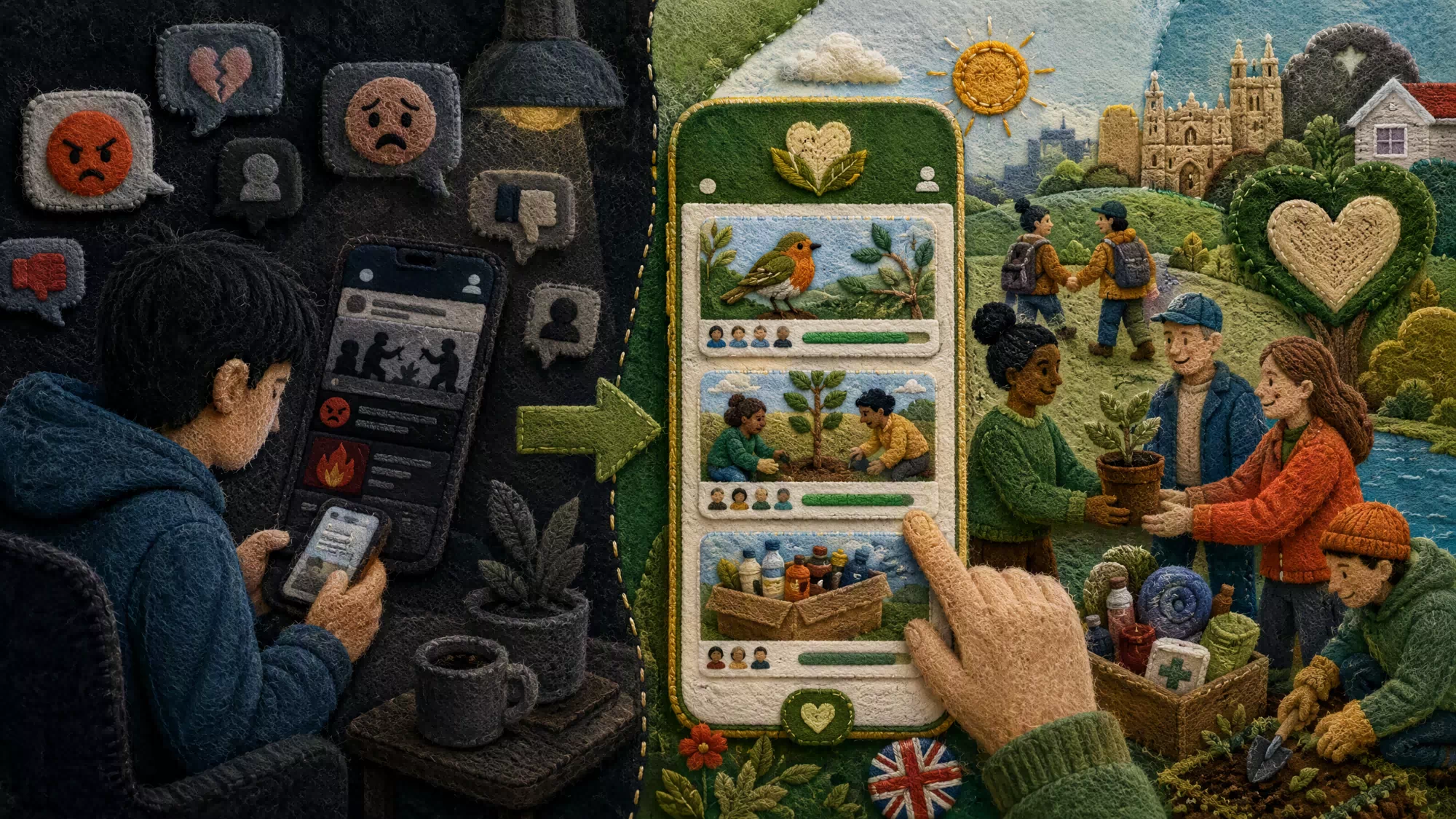
When digital feeds organize around civic contribution rather than ad extraction, the entire character of screen time shifts. Platforms like GardenOfLove structure the interface around tangible initiatives rather than infinite, aimless consumption. Instead of confronting an algorithm calibrated to provoke outrage, you open a feed focused on verified community causes, charitable campaigns, and measurable local projects.
That setup replaces passive observation with active collaboration. Through dedicated impact hubs called Gardens, users join specific campaigns across the UK, ranging from wildlife conservation to youth mentorship initiatives. The feed displays verifiable progress updates, volunteer calls, and transparent fundraising milestones instead of sensationalist controversy. Interacting with a post means signing a petition, funding emergency supplies, or joining an on-the-ground volunteer team. Digital participation becomes a direct channel for practical community action.
Community Gardens as Collaborative Impact Spaces
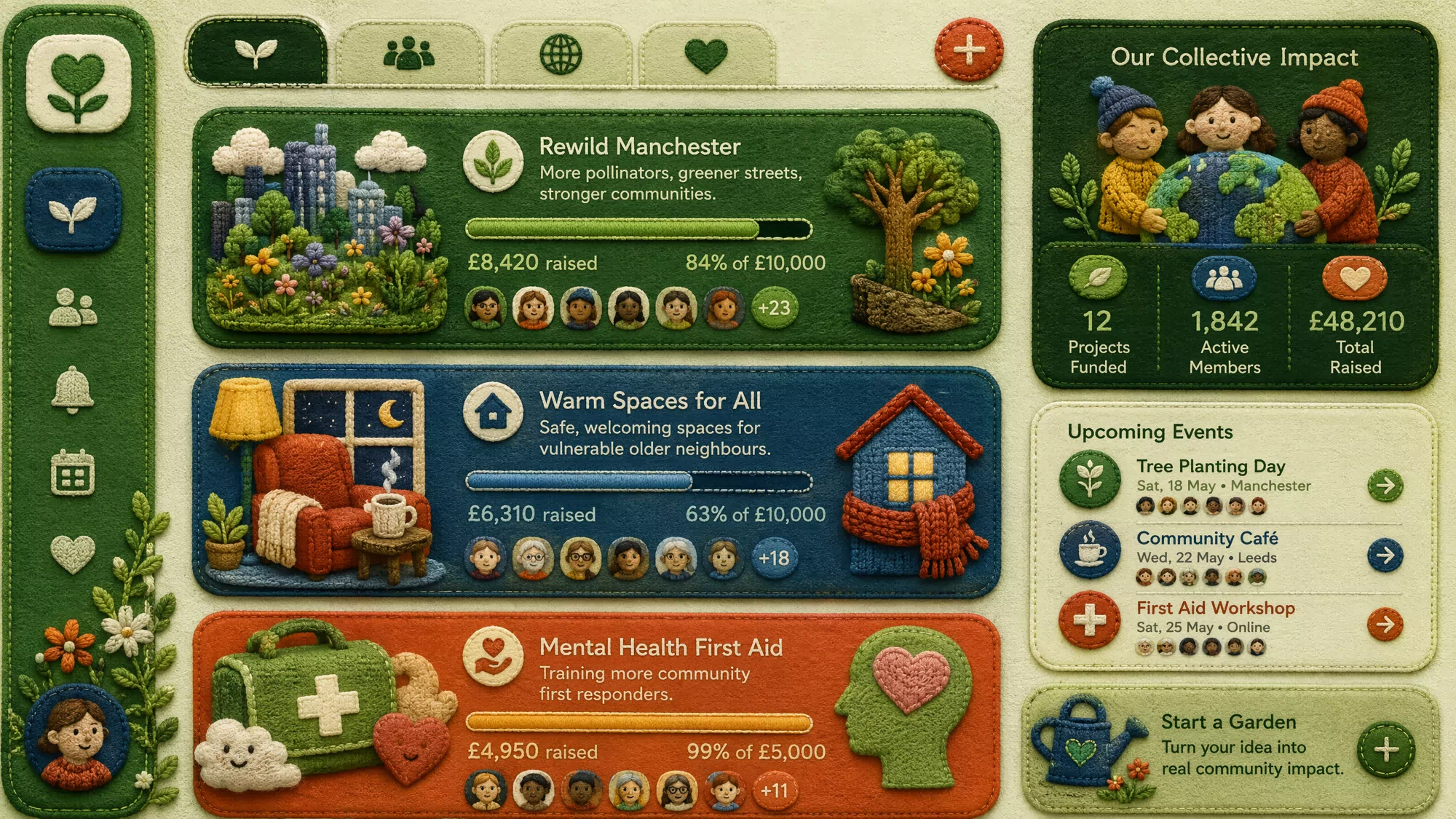
Helplessness is the primary byproduct of modern doomscrolling. You read reports on climate breakdown, rising child poverty, or failing public infrastructure, yet typical feeds offer no way to respond beyond leaving an angry comment. Within GardenOfLove, thematic communities known as Gardens address this agency gap directly by anchoring online activity to collective goals.
Each Garden functions as a working hub for a distinct cause. Whether focused on urban rewilding in Manchester, establishing warm spaces for vulnerable pensioners, or funding mental health first-aid workshops, the space brings together organizers, registered charities, and active contributors. Members monitor campaign updates, pool financial resources, and coordinate physical events in one shared environment.
This focus channels diffuse anxiety into practical execution. Tracking a campaign from its initial target through to full funding gives digital interactions a tangible, external result. Instead of coping with the isolating dread of an open timeline, participants take on an active role within a functioning coalition, built around shared responsibility and measurable community progress.
The Neurobiology of Prosocial Feeds
The physical contrast between doomscrolling and prosocial feeds comes down to distinct biochemical pathways. Traditional outrage feeds keep the sympathetic nervous system engaged. Every inflammatory headline prompts micro-bursts of cortisol and adrenaline, keeping your heart rate elevated and your amygdala on constant alert for social conflict. Over hours of continuous scrolling, this physiological state exhausts mental resilience and leaves behind persistent physical restlessness.
Feeds organized around mutual aid produce a very different biological response. Neurobiological research into prosocial behavior shows that witnessing acts of community support triggers the release of oxytocin and serotonin. Taking part in a community project activates the brain’s mesolimbic reward system, generating what psychologists term the warm-glow effect. This direct participation grounds reward circuitry in tangible purpose rather than erratic algorithmic spikes.
When a timeline showcases people resolving problems rather than manufacturing grievances, the parasympathetic nervous system engages. Breathing slows, muscular tension in the neck and jaw releases, and feelings of threat diminish. Focusing on shared assistance restores the nervous system to a baseline of psychological safety.
Redefining the Digital Horizon
The steady migration away from extractive platforms marks a lasting shift in how young British adults protect their daily attention. Leaving feeds designed to monetize friction and stress is entirely possible, and choosing spaces built around civic participation, transparent campaigns, and shared resources turns routine screen time into measurable public good.
Networks like GardenOfLove channel digital attention directly into funded neighborhood hubs, protected urban green spaces, and emergency relief. Moving away from the spectator timeline and committing focus to verifiable local projects restores genuine agency, anchoring online life back in the physical communities people inhabit.
Frequently Asked Questions
What is doomscrolling?
Doomscrolling is the compulsive habit of continuously scrolling through social media feeds to read negative, alarming, or distressing news, which triggers stress and emotional exhaustion.
Why do social media algorithms promote outrage?
Algorithms on mainstream social networks deliberately elevate inflammatory content and conflict because moral outrage generates faster user engagement, shares, and ad revenue than constructive debate.
How are young Brits setting boundaries with social media?
Young adults in the UK are setting strict app time limits, turning displays to grayscale, establishing phone-free bedrooms, and unfollowing accounts that trigger financial envy or emotional distress.
What is the difference between doomscrolling and prosocial feeds?
Traditional feeds rely on outrage architecture that floods the brain with cortisol and adrenaline, whereas prosocial feeds trigger the release of serotonin and oxytocin through mutual aid and community support.
What are prosocial feeds?
Prosocial feeds are digital platforms and community spaces structured around verified charitable campaigns, mutual aid funds, and measurable local action rather than ad extraction and vanity metrics.
What are the psychological effects of social media burnout?
Digital burnout causes chronic hypervigilance, irritability, difficulty focusing, physical muscle tension, and a persistent feeling of low-grade anxiety or helplessness.
What is GardenOfLove?
GardenOfLove is a collaborative platform structured around tangible initiatives and impact hubs called Gardens, which replace infinite passive scrolling with verified community projects and charitable campaigns.
