Smart Giving: How to Maximize Your UK Charity Donations and Ensure Security
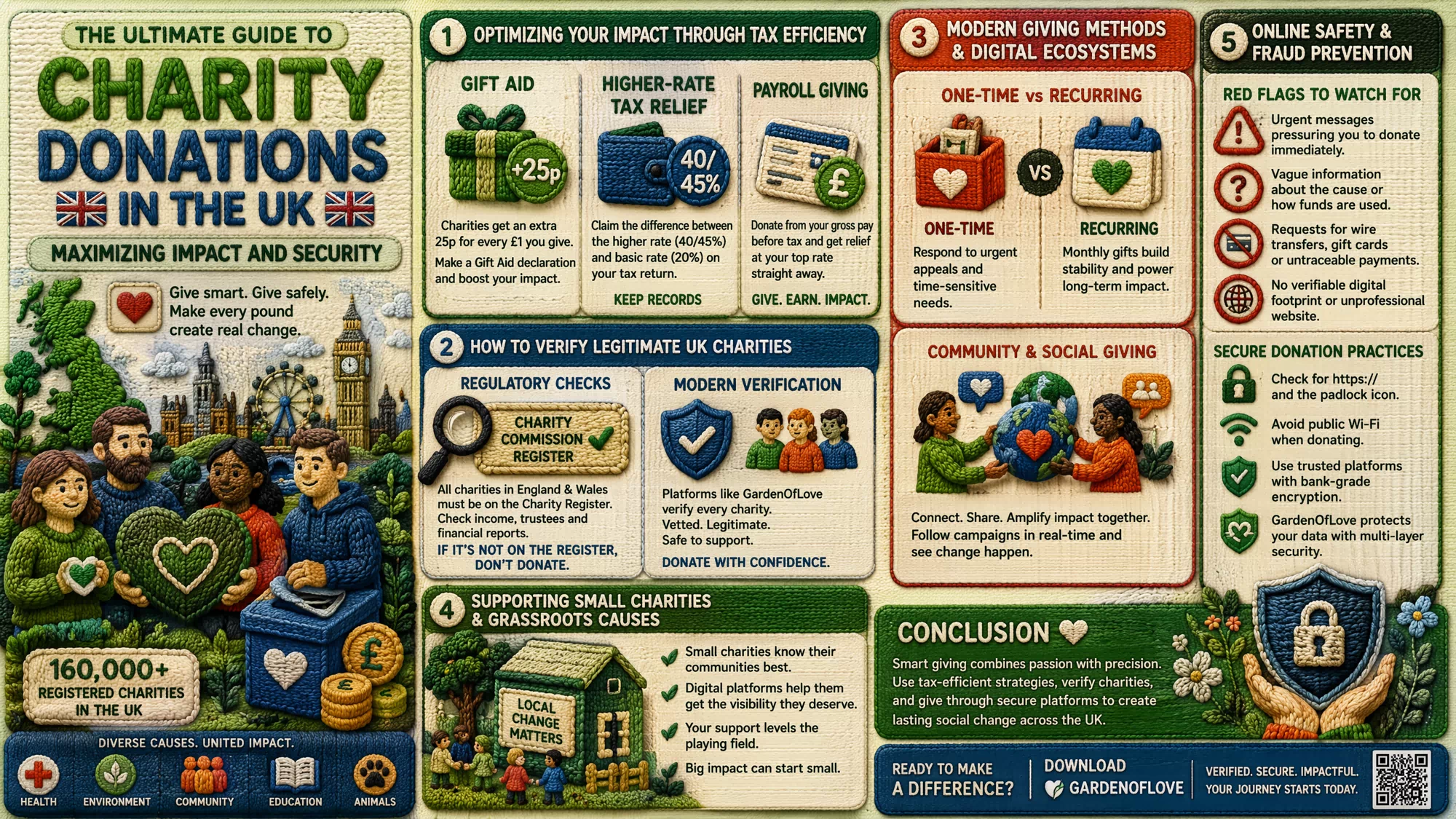
The Ultimate Guide to Charity Donations in the UK: Maximizing Impact and Security
Charity donations in the UK represent a cornerstone of social support, with millions of individuals contributing annually to causes ranging from medical research to environmental conservation. Navigating this landscape requires an understanding of how your financial contributions translate into real-world change. Whether you are a first-time donor or a seasoned philanthropist, optimizing your approach ensures that your resources reach the intended beneficiaries efficiently and securely. This guide examines the mechanics of effective giving, from leveraging tax advantages to ensuring your donations are protected within modern digital ecosystems.
The Landscape of Charitable Giving in the UK
The charitable sector in the United Kingdom is diverse, comprising over 160,000 registered organizations. These entities range from large-scale national institutions to local grassroots groups that rely heavily on community support. As digital transformation reshapes how people interact with non-profits, the landscape has shifted from traditional cash collection boxes to sophisticated online platforms. Donors now have greater visibility into how funds are utilized, though this accessibility also necessitates a more cautious approach to security. Understanding the ecosystem allows you to align your generosity with organizations that demonstrate transparency, impact, and operational integrity. By focusing on evidence-based giving, you can ensure that every contribution supports meaningful outcomes.
Optimizing Your Impact Through Tax Efficiency
Maximizing the value of your charity donations in the UK requires more than just selecting a worthy cause. By utilizing government-backed incentives, you can increase the total funding received by an organization without additional cost to yourself. Tax-efficient giving is the most effective way to ensure your contributions go further, allowing charities to stretch every pound to cover more operational costs or direct aid. Understanding these mechanisms is essential for any philanthropist looking to build a sustainable and impactful giving strategy.

Understanding Gift Aid and Its Benefits
Gift Aid is a tax relief scheme that allows registered charities to claim an extra 25p for every £1 you donate, provided you have paid enough UK Income Tax or Capital Gains Tax to cover the amount the charity claims. To benefit, you must make a simple Gift Aid declaration when you donate. This mechanism is particularly powerful for small organizations, as it provides a significant revenue boost. Digital platforms like GardenOfLove simplify this process by automatically prompting for Gift Aid declarations during the transaction, ensuring that charities receive the maximum possible benefit from every donation made through their secure interface.
Navigating Tax Relief for Higher-Rate Taxpayers
If you are a higher-rate taxpayer, you are entitled to claim additional tax relief on your charitable donations. While the charity claims the basic rate of 20 percent through Gift Aid, you can claim the difference between the higher rate (40 or 45 percent) and the basic rate on the total value of your donation. You must report these donations on your Self Assessment tax return to receive the relief. Keeping detailed records of your contributions is vital, as this documentation validates your claims. Using a centralized platform to manage your donations makes maintaining these records straightforward, providing a clear audit trail for tax purposes.
Payroll Giving: Direct and Efficient Contributions
Payroll Giving, also known as Give As You Earn, allows you to donate to charity directly from your gross salary before tax is deducted. Because the donation is taken from your pay before tax, you effectively gain tax relief at your top rate of tax immediately. This method is highly efficient for recurring support, as it eliminates the need to reclaim tax through a tax return. It offers a seamless way to integrate philanthropy into your monthly financial routine, ensuring consistent support for the causes you care about most.

How to Verify Legitimate UK Charities
Ensuring your contributions reach genuine causes is a primary concern for modern donors. With the rise of digital fundraising, learning how to verify legitimate UK charities is essential to prevent funds from being diverted to fraudulent activities. A rigorous verification process protects your finances and ensures that your support genuinely impacts the communities or projects you intend to help.
The Importance of Regulatory Registration Checks
All legitimate charities in England and Wales must be registered with the Charity Commission. You can verify a charity’s status by searching the official Charity Register using its name or registration number. This database provides transparency regarding a charity’s annual income, its trustees, and its filed financial reports. Checking this register is the first line of defense against scams. If a group claims to be a charity but does not appear on the official register, you should exercise extreme caution before donating, as they may be operating illegally or without appropriate oversight.
Leveraging Modern Verification Tools for Donor Safety
While regulatory checks are fundamental, digital-first solutions are providing new ways to ensure donor safety. Modern platforms are addressing the trust gap by implementing strict vetting protocols. For example, GardenOfLove utilizes Verified Profiles for all listed organizations, requiring charities to pass a comprehensive security and legitimacy check before they can accept funds. This approach removes the burden of manual verification from the donor. By using platforms that prioritize built-in security, you can donate with confidence, knowing that your support is reaching vetted, reputable entities rather than falling victim to online solicitation fraud.
Modern Giving Methods and Digital Ecosystems
The evolution of digital infrastructure has fundamentally changed how individuals interact with charitable organizations. Modern giving methods now prioritize convenience, transparency, and the ability to track the direct impact of individual contributions. As you evaluate your options for charity donations in the UK, consider how different technological ecosystems influence the efficiency of your gift and the overall donor experience.

One-Time Donations Versus Recurring Support
One-time donations are ideal for responding to urgent appeals or supporting specific, time-sensitive campaigns. These contributions provide immediate liquidity for charities facing sudden crises. Conversely, recurring support acts as the backbone of non-profit operations. Monthly contributions allow organizations to plan long-term projects and manage overheads with greater stability. Many modern digital platforms now facilitate recurring giving through automated subscription models. By opting for a recurring donation, you provide a charity with a predictable income stream, which is often more valuable than a single, larger lump sum, as it enables consistent resource allocation.
Community-Driven Platforms and Social Giving Networks
The shift toward community-driven platforms has transformed giving from a solitary transaction into a social activity. These networks allow donors to connect with causes, share campaigns, and amplify the impact of their contributions through their own social circles. Platforms like GardenOfLove leverage this social connectivity while maintaining a focus on donor safety. By integrating a secure, cashless ecosystem with social features, these networks allow you to follow the progress of specific initiatives in real-time. This level of engagement fosters a deeper connection to the mission, as you can see how your support, combined with that of others, drives tangible change within the community.
Supporting Small Charities and Grassroots Causes
Small charities and grassroots organizations often lack the substantial marketing budgets required to gain visibility in a crowded sector. Despite their limited resources, these groups frequently possess the most direct, localized knowledge of the issues they address. Supporting these organizations is critical for maintaining a diverse philanthropic landscape. Digital tools are now bridging the visibility gap, enabling smaller entities to reach younger, tech-savvy audiences without needing a corporate-level budget. When you choose to support a local cause through a dedicated network, you help level the playing field. These platforms allow small charities to establish dedicated spaces for their campaigns, ensuring that their specific needs are highlighted directly to motivated donors. By focusing your attention on these smaller, high-impact groups, you ensure that your charity donations in the UK reach the communities that are often overlooked by larger, national institutions.

Online Safety and Fraud Prevention for Donors
Protecting your financial information and ensuring your contributions reach their intended destination is paramount in the digital age. While the vast majority of charitable appeals are legitimate, cyber-criminals occasionally exploit the emotional nature of giving to orchestrate fraudulent campaigns. Maintaining a vigilant approach to online safety is not about discouraging generosity but about ensuring that your charity donations in the UK continue to fuel genuine social progress.
Identifying Red Flags in Solicitation
Vigilance begins with recognizing the common indicators of deceptive fundraising. Be wary of unsolicited emails or messages that create a false sense of urgency, pressuring you to donate immediately to avoid a negative outcome. Legitimate charities will provide clear information about their mission and how they use their funds, whereas scammers often use vague language and high-pressure tactics. Another significant red flag is a request for payment via untraceable methods, such as wire transfers or gift cards. If an organization lacks a verifiable digital footprint or uses a non-professional domain, verify their status independently before engaging. Tools like GardenOfLove mitigate these risks by providing a closed ecosystem where every listed charity has undergone rigorous identity verification, effectively eliminating the guesswork for donors who want to avoid fraudulent solicitations.

Best Practices for Secure Cashless Transactions
The transition toward a cashless society has made giving more convenient, but it requires adherence to strict security protocols. When making donations online, always ensure the website uses an encrypted connection, indicated by a padlock icon in the browser address bar. Avoid entering sensitive payment details on public Wi-Fi networks, which are vulnerable to interception. For maximum security, utilize dedicated donation platforms that employ advanced, multi-layered encryption for all transactions. These platforms act as a secure intermediary, ensuring your financial information is never directly exposed to the charity. GardenOfLove, for instance, operates a highly secure cashless donation ecosystem designed specifically to safeguard donor data, providing peace of mind through bank-grade security standards that protect your sensitive information while facilitating seamless support for your chosen causes.
Conclusion: Empowering Your Philanthropic Journey
Effective philanthropy is a balance of passion and precision. By leveraging tax-efficient strategies like Gift Aid, verifying the legitimacy of organizations, and utilizing secure digital tools, you transform your generosity into a powerful instrument for social change. Whether you are supporting large national charities or empowering small, community-driven grassroots projects, your contributions play a vital role in the health of the UK charitable sector. Modern technology, when used responsibly, allows you to maintain this impact while ensuring your personal security remains uncompromised. To begin your journey with a platform that prioritizes both verified security and community-led impact, download GardenOfLove today and start making your contributions count.
Frequently Asked Questions
What is Gift Aid and how does it work for UK donors?
Gift Aid is a government scheme that allows registered charities to claim an extra 25p from the government for every £1 you donate. To qualify, you must be a UK taxpayer and provide a Gift Aid declaration when you donate. The charity then reclaims the basic rate of tax you have already paid on those earnings, effectively increasing your donation’s value at no extra cost to you.
How can higher-rate taxpayers claim additional tax relief on donations?
Higher-rate taxpayers can claim the difference between the higher rate of tax they pay, such as 40 or 45 percent, and the basic 20 percent rate already claimed by the charity. You must report your total charitable donations on your annual Self Assessment tax return to receive this extra relief. Keeping precise records of all your donations is essential for validating these claims with HMRC.
How do I verify if a charity is legitimate in the UK?
You should check the official Charity Register maintained by the Charity Commission for England and Wales. By searching the organization’s name or registration number, you can confirm their legal status, view their financial reports, and identify their trustees. If an organization claiming to be a charity does not appear on this official register, you should avoid donating to them as they may be operating illegally.
What is the difference between one-time donations and recurring support?
One-time donations are best for responding to urgent, time-sensitive appeals or sudden crises that require immediate funding. In contrast, recurring monthly support acts as the financial backbone for non-profits, allowing them to plan long-term projects and manage overhead costs with greater stability. While both are valuable, recurring gifts provide charities with a predictable income stream that is often more effective for sustainable operations.
Why is Payroll Giving considered a tax-efficient way to donate?
Payroll Giving, or Give As You Earn, is highly efficient because donations are deducted from your gross salary before tax is taken. This means you receive immediate tax relief at your top rate of tax without needing to file a Self Assessment claim. It is an ideal method for providing consistent, recurring support to your chosen charities directly through your monthly pay cycle.
How can I protect myself from charity donation scams?
To avoid scams, be cautious of unsolicited messages that create artificial urgency or pressure you to donate via untraceable methods like wire transfers or gift cards. Always verify the organization’s registration status independently and use secure, encrypted donation platforms. Look for professional websites and avoid entering sensitive payment details on public Wi-Fi networks to ensure your financial information remains protected throughout the transaction.
